
A Comprehensive Guide to the Savage Model 99
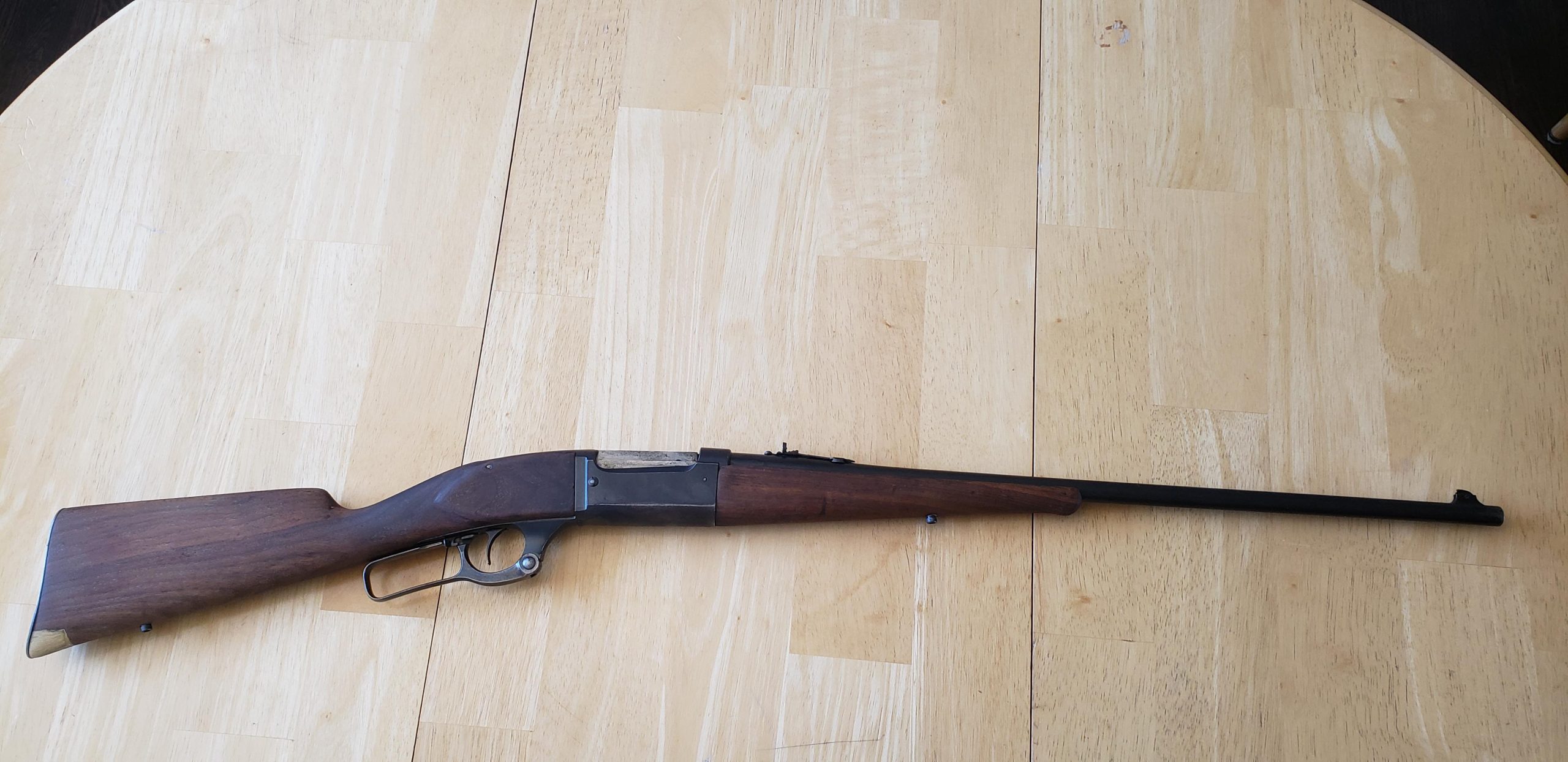
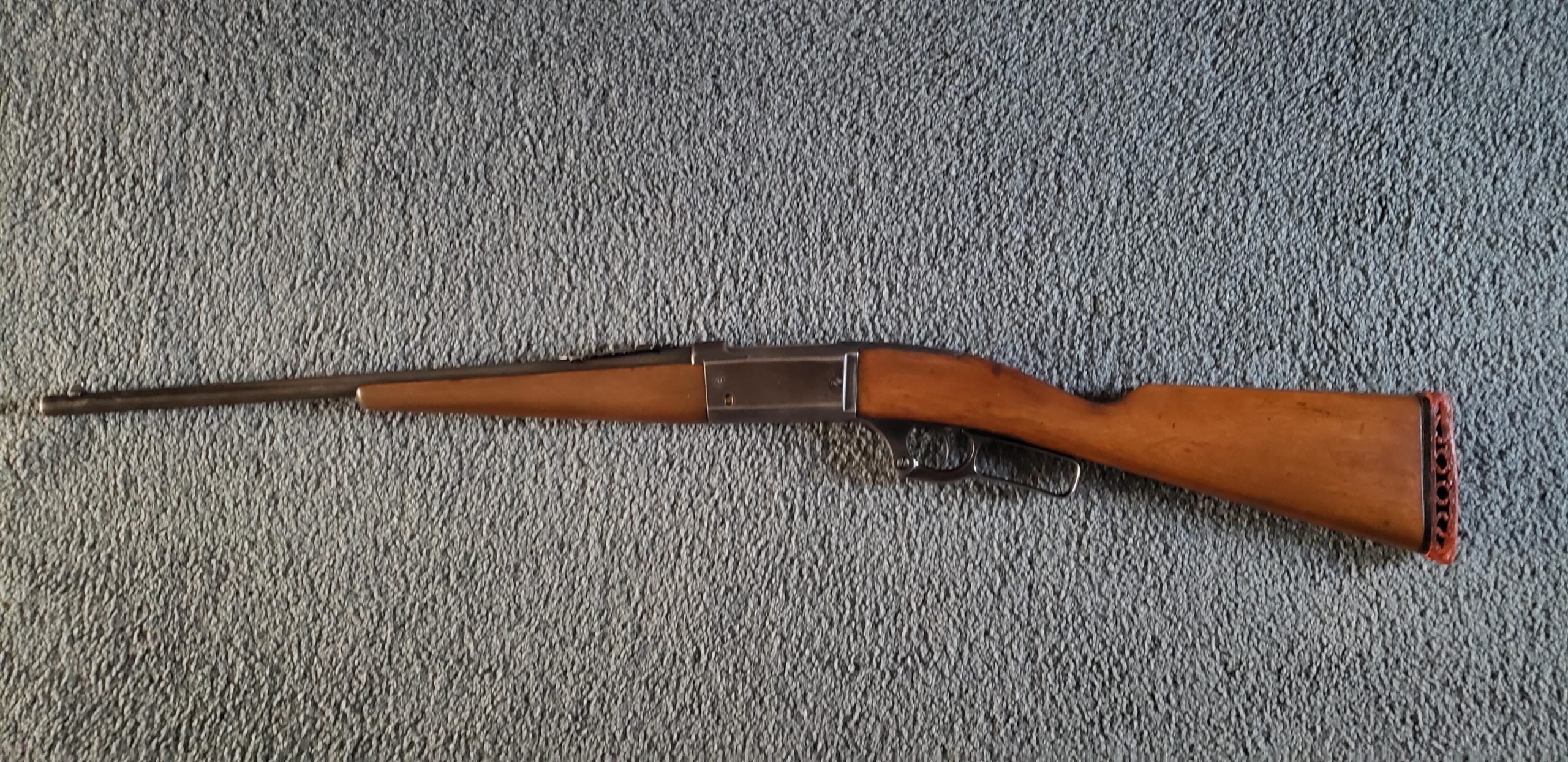
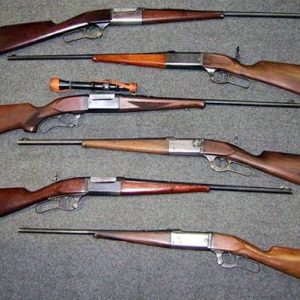
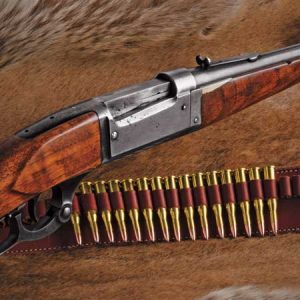
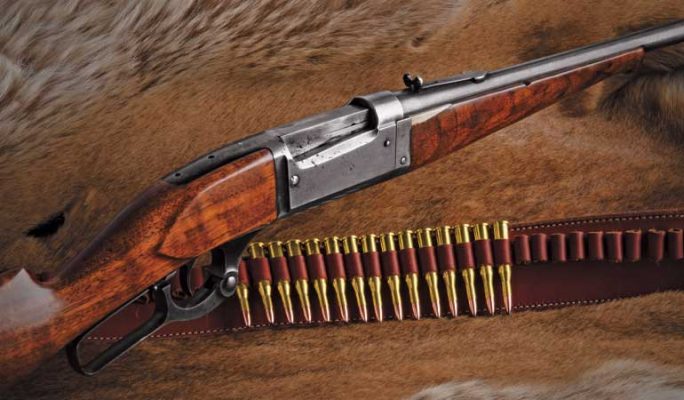
In the pantheon of American firearms, few rifles command the respect and admiration of the Savage 99. For nearly a century, this iconic lever-action rifle has been a trusted companion for hunters and a prized possession for collectors. From the rugged woods of Maine to the expansive plains of the West, the Savage 99 rifle has earned its reputation as one of the most innovative and reliable firearms ever produced.
At [Your Premium Gun Store Name], we understand the allure of this legendary firearm. Whether you are a seasoned collector looking to add a rare variant to your safe or a hunter searching for a classic piece of history, the Savage model 99 represents a timeless blend of form, function, and American craftsmanship. In this comprehensive guide, we will explore the rich history of the Savage 99, break down the various Savage model 99 calibers, discuss the nuances of different models, and help you understand why these rifles are a cornerstone of our inventory.
If you are looking for a Savage 99 for sale, you have come to the right place. We pride ourselves on curating a selection of premium firearms that meet the highest standards of quality and authenticity.
The History of the Savage 99: A Century of Innovation
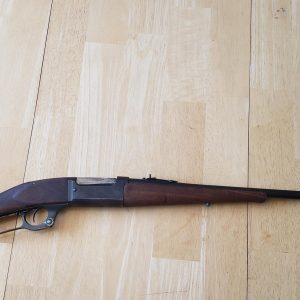
The story of the Savage 99 begins not in 1899, but four years earlier with its predecessor, the Model 1895. Designed by Arthur W. Savage, the rifle was revolutionary for its time. It was the first truly successful hammerless lever-action rifle, a feature that allowed for a streamlined receiver and a stronger, more modern design .
From 1895 to 1899
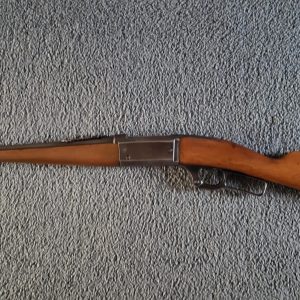
Savage’s design quickly evolved. In 1899, the rifle was significantly improved and rechristened the Savage Model 1899 (later simply the Savage 99). What made this rifle so special? It was the engineering.
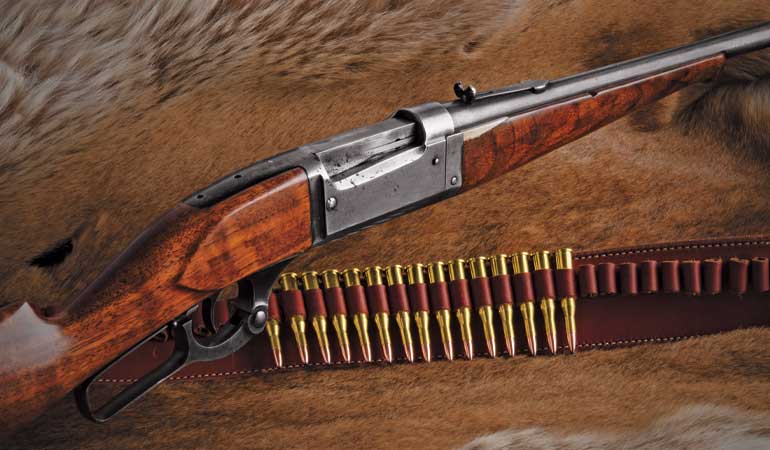
The Savage 99 introduced a robust rotary magazine that allowed hunters to safely use modern, pointed (spitzer) bullets—a feat that tubular magazines of the time could not accomplish safely . This magazine, combined with a visible brass counter on the side of the receiver, was a testament to Savage’s forward-thinking design. The Savage 99 wasn’t just a rifle; it was a technological marvel .
The End of an Era
Production of the Model 99 spanned from 1899 to 1997, a remarkable 98-year run . During this period, over a million units were produced across a dizzying array of variants and calibers. The manufacturing history of the Savage 99 is usually categorized by where it was built:
-
Utica, NY (1899–1946): The birthplace of the Model 99. Early models produced here are highly sought after by collectors.
-
Chicopee Falls, MA (1947–1959): Production moved to Massachusetts after WWII.
-
Westfield, MA (1960–2003): The final home of the Savage 99 before its eventual discontinuation .
Understanding Savage Model 99 Calibers
One of the most fascinating aspects of the Savage 99 is the sheer variety of calibers it was chambered for. Over its long production life, it was offered in everything from big-game cartridges to varmint rounds. Understanding the Savage model 99 calibers available is crucial for both collectors and hunters.
The Original and Classic Calibers
The Savage 99 was initially available only in the .303 Savage, a cartridge similar to the .30-30 Winchester but designed specifically for the rifle’s rotary magazine . It was a powerful option for its time, capable of taking down large North American game.
As the years progressed, the lineup expanded. By 1900, the .30-30 Winchester was introduced, making the rifle accessible to a wider market . Other classic calibers include:
-
.22 Savage Hi-Power (1912)
-
.250-3000 Savage (1915)
-
.300 Savage (1921)
Post-War Additions
In the 1950s, to keep up with the shifting preferences of American hunters, the Savage 99 began adopting more modern, high-velocity cartridges. In 1956, the rifle was chambered in .243 Win., .308 Win., and .358 Win. . Later additions included the .284 Win., .375 Win., and 7mm-08 .
A Note on Value
Caliber often impacts the collectability and value of a Savage 99 for sale. Some calibers are significantly rarer than others. According to industry experts, collectors often add a premium for certain calibers. For instance, you can expect to add a premium for rifles chambered in .25-35, .32-40, and .38-55 due to their rarity .
Anatomy of the Savage 99: Key Features
What sets the Savage 99 rifle apart from other lever-actions like the Winchester or Marlin? It comes down to a few key engineering features that were decades ahead of their time.
The Hammerless Design
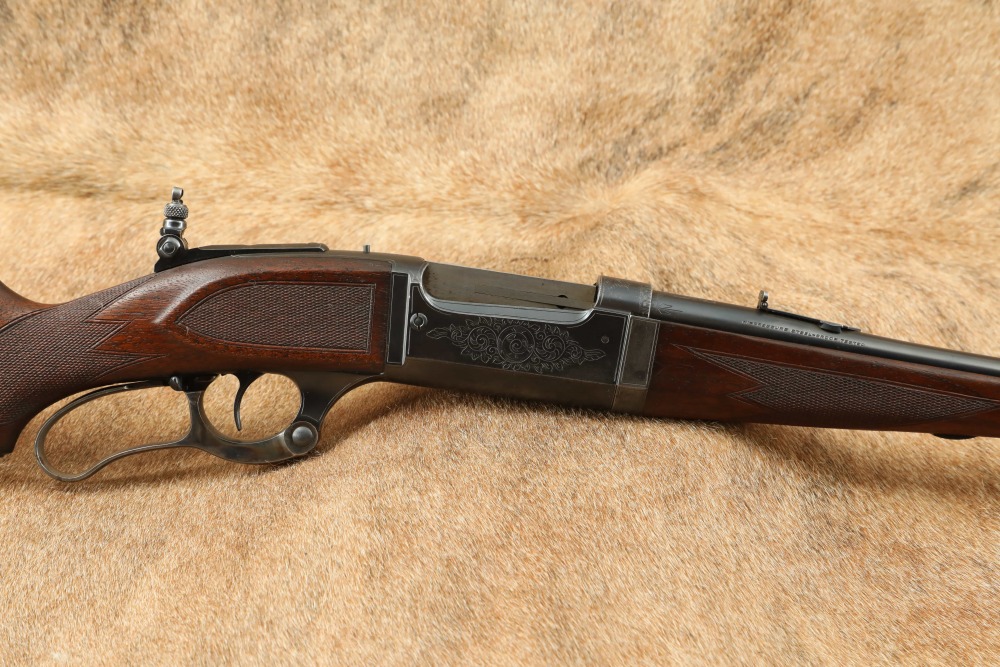
The absence of an exposed hammer was a radical departure from the norm. It allowed for a sleek, snag-free profile, making the rifle easier to carry in the field and quicker to shoulder .
The Rotary Magazine
The Savage 99‘s rotary magazine is perhaps its most iconic feature. It allows the use of aerodynamic spitzer bullets, which are far superior for long-range shooting compared to the flat-nosed bullets required by tubular magazines . The unique brass counter on the side of the receiver allowed the hunter to quickly glance down and see how many rounds remained in the magazine .
The Tang Safety and Cocking Indicator
The location of the safety was unique. Early models featured a safety in the trigger guard, which later moved to the tang (the rear of the receiver) in 1960 . Additionally, a visible firing pin indicator on the top of the bolt provided a visual and tactile cue to the shooter that the rifle was cocked .
Decoding the Variants: A Guide to Models
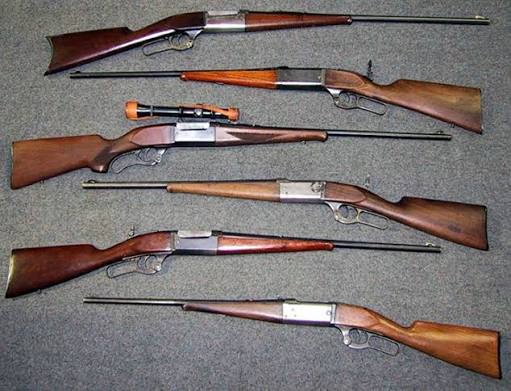
The alphabet soup of Savage 99 variants can be confusing, but it tells the story of a rifle constantly being updated for the demands of its time . Here is a breakdown of some of the most notable models you might encounter when looking for a Savage 99 for sale.
Classic Pre-War Models
-
Model 1899-A to F: The earliest variants, introduced in 1899, distinguished by barrel length, weight, and whether they featured a barrel band or forearm .
-
Model 99-G (1920) and Model 99-H (1920): These are notable for being the platforms for the introduction of the .300 Savage .
-
Model 99-R (1932): “R” signified a solid frame with a heavier, tapered round barrel, designed for accuracy. It was marketed as an “Ideal deer rifle” .
-
Model 99-EG (1935): A very common and beloved model, often featured a pistol grip and checkered walnut stocks. Many hunters carried the 99-EG post-WWII .
Post-War and Modern Models
-
Model 99-F Featherweight (1955): As the name suggests, this was a lighter version designed for easy carry .
-
Model 99-DL: “DL” stood for Deluxe, featuring higher-grade wood and checkering .
-
Model 99-C (1965): “C” stands for “Clip”. This was a major departure from tradition, as the 99-C featured a detachable box magazine rather than the classic rotary magazine. It was produced until 1997 .
-
Model 99-E: An economy model produced from around 1960 to 1984, designed to be an affordable option .
Rarities and Collectibles
-
Model 99-CD: A deluxe version of the 99-C, featuring a Monte Carlo cheekpiece stock .
-
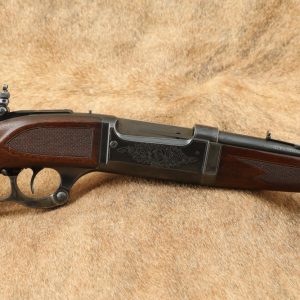
Model 99CE: A Centennial Edition produced in very limited numbers, often featuring factory engraving .
-
Montreal Home Guard Musket: A military-style variant produced during WWI, chambered in .303 Savage. Due to the limited number delivered, these are extremely rare .
Collecting and Buying a Savage Model 99
When you are ready to buy a Savage 99, you are entering a sophisticated market. Here are a few factors to consider to ensure you are making a wise investment.
1. Condition is King
The value of a Savage 99 rifle is heavily dependent on its condition. Original blueing, the sharpness of the checkering, and the condition of the wood stock are all critical. A rifle with a replacement stock or a reblued barrel will command significantly less value than an all-original piece. For example, the Blue Book of Gun Values suggests that a 1950 Model 99EG in excellent condition could be valued between $875 and $950, with premiums added for rarer calibers .
2. Rarity of Caliber
If you find a Savage 99 for sale chambered in a non-standard caliber, it could be a “sleeper” worth a premium. As mentioned, calibers like .25-35, .32-40, .38-55, or .22 Hi-Power typically carry a higher price tag . Conversely, the most common calibers (.300 Sav, .308 Win, .243 Win) tend to be more accessible and affordable .

Reviews
There are no reviews yet.